Skip to content
The Archive

Five nights. Five deep dives. One growing community.

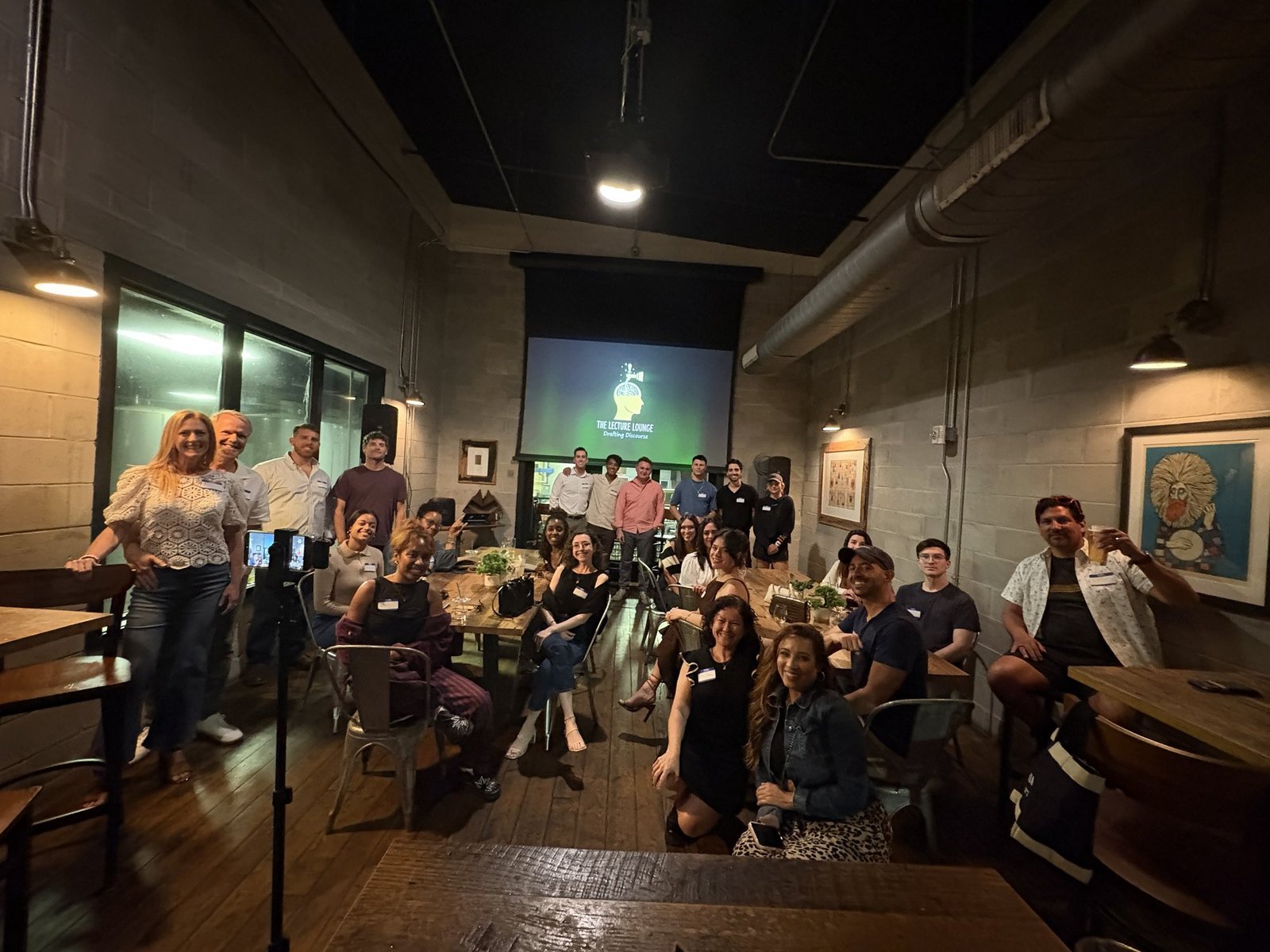
A record of the rooms we've packed and the ideas we've put on the table. Every Lecture Lounge event is built around one question worth spending an evening on — and a speaker uniquely qualified to answer it.

Lecture 05

From Keyboards to Kidnappings. The New Face of Crypto Crime.

Topic Crypto Crime & Fraud
Format Talk + Live Q&A
Vibe Check-your-front-door energy

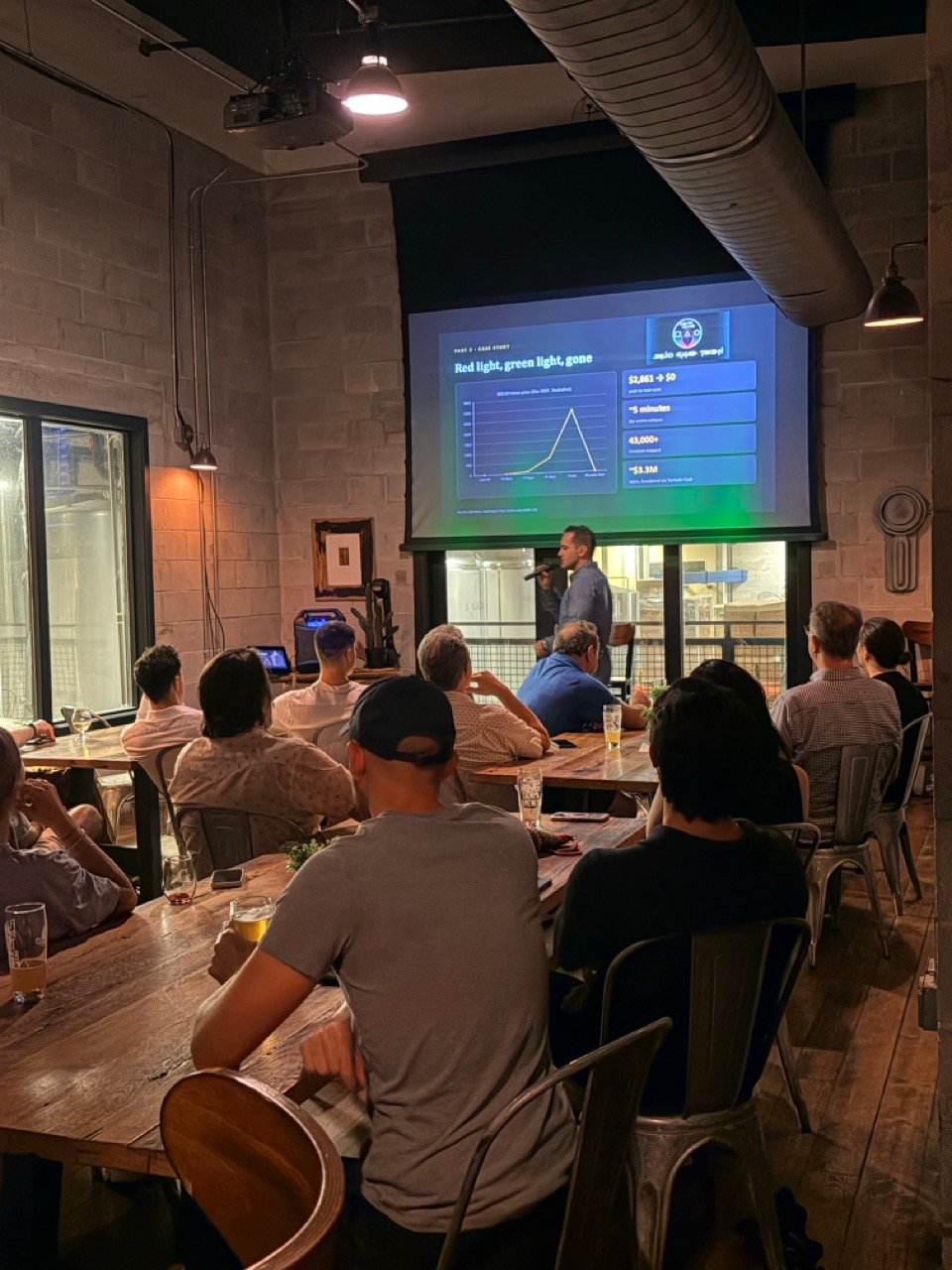
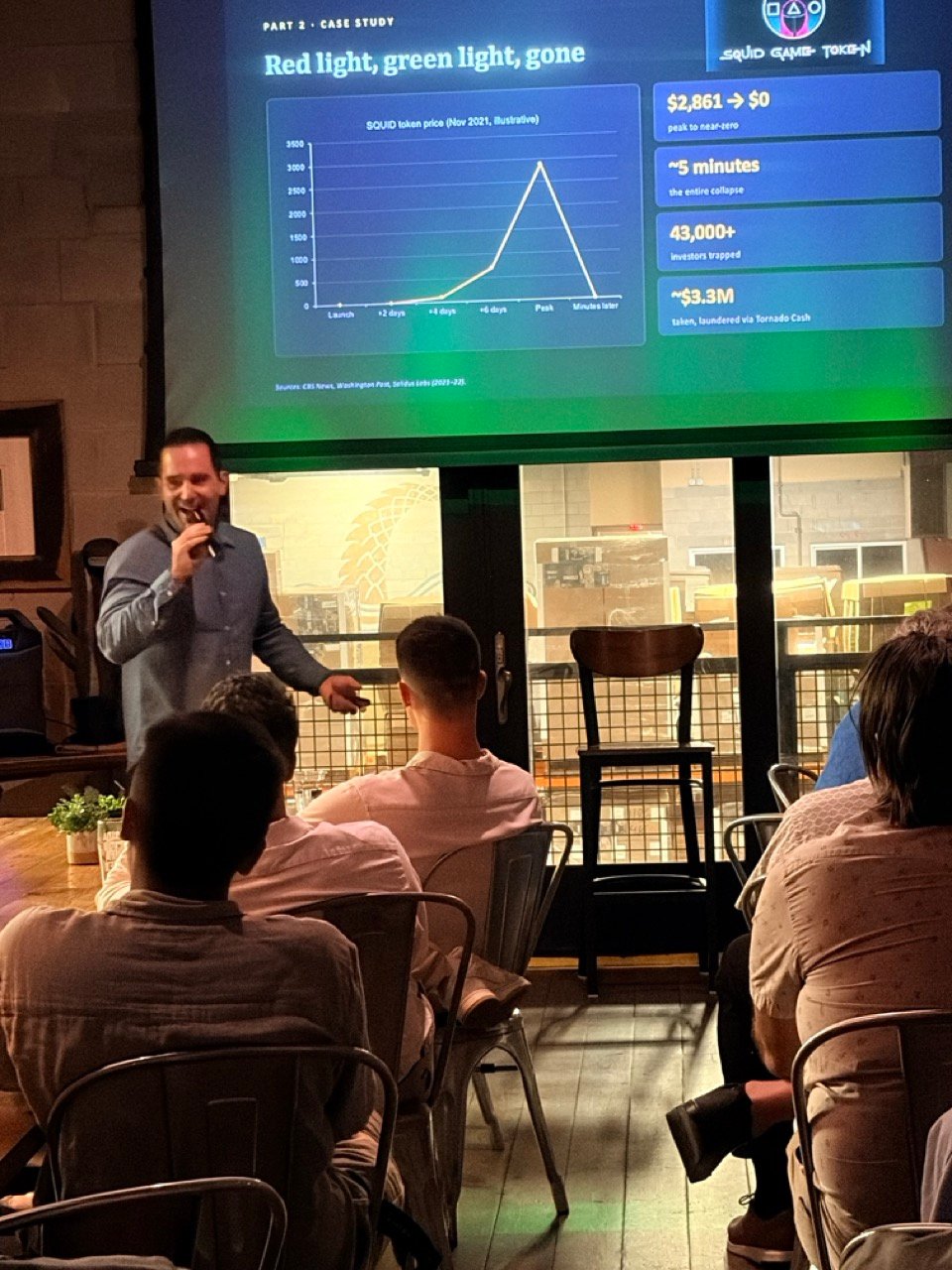
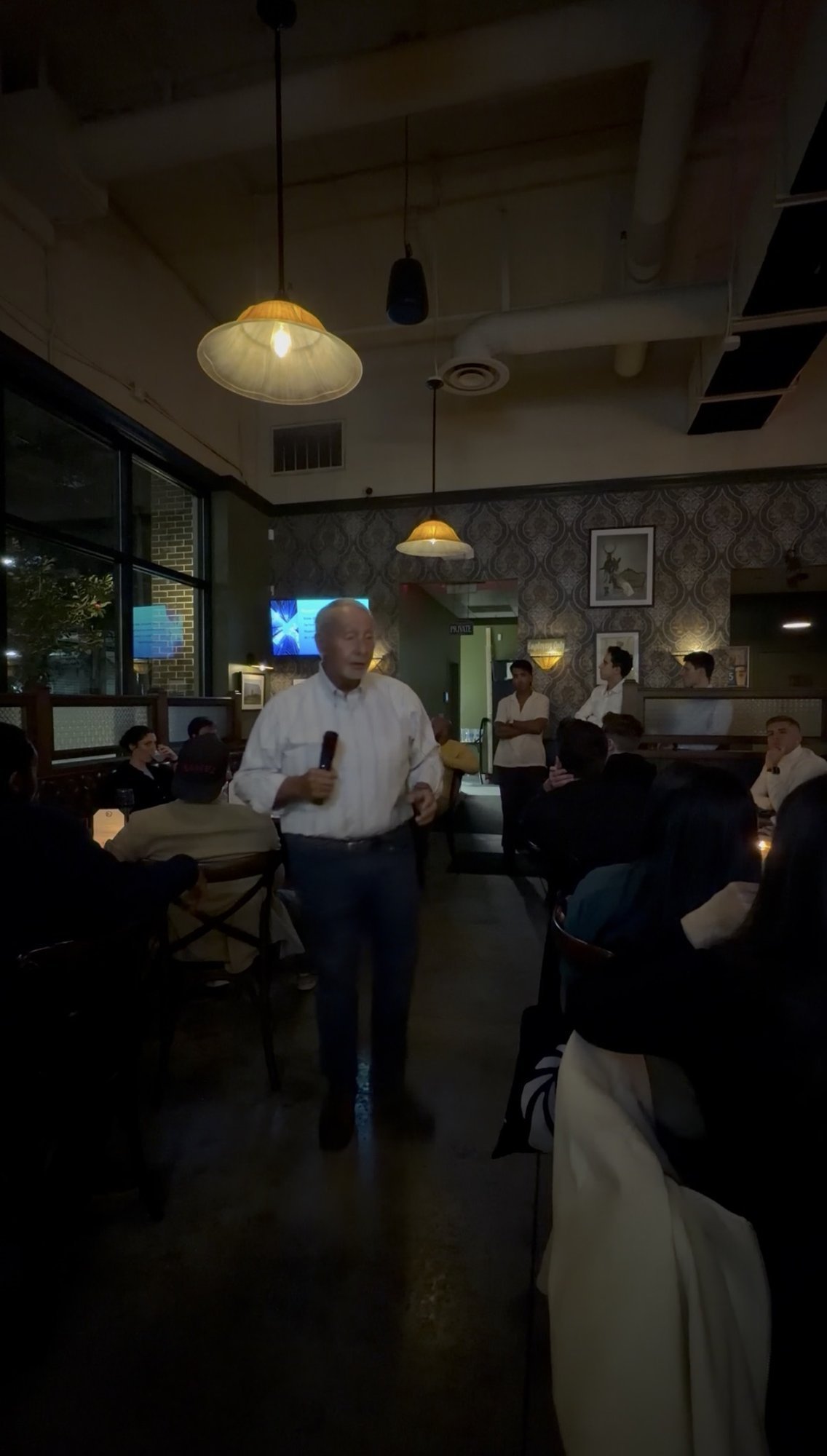
The night the room learned that "crypto crime" isn't a story about hackers anymore. Dr. Dulisse — Director of the University of Tampa's Criminology Institute for Research and Training — walked us across the three fronts where the digital underworld has quietly stopped being digital and started showing up at people's front doors.

The Long Con: pig butchering and romance scams run at industrial scale out of overseas compounds. The Rigged Market: pump-and-dumps, rug pulls, and honeypots coded to let you buy but never sell. The Wrench Attack: the rising phenomenon where owning enough crypto makes you a physical target for real-world home invasions.

"We built a system where the money is private but the person isn't. The criminals just figured that out faster than we did."

The room played along through a set of "Spot the Scam" games — picking the fraud coin, the romance-scam opener, the wallet target, the Ponzi. Every game had a real-world case behind it. Every game landed harder than expected.

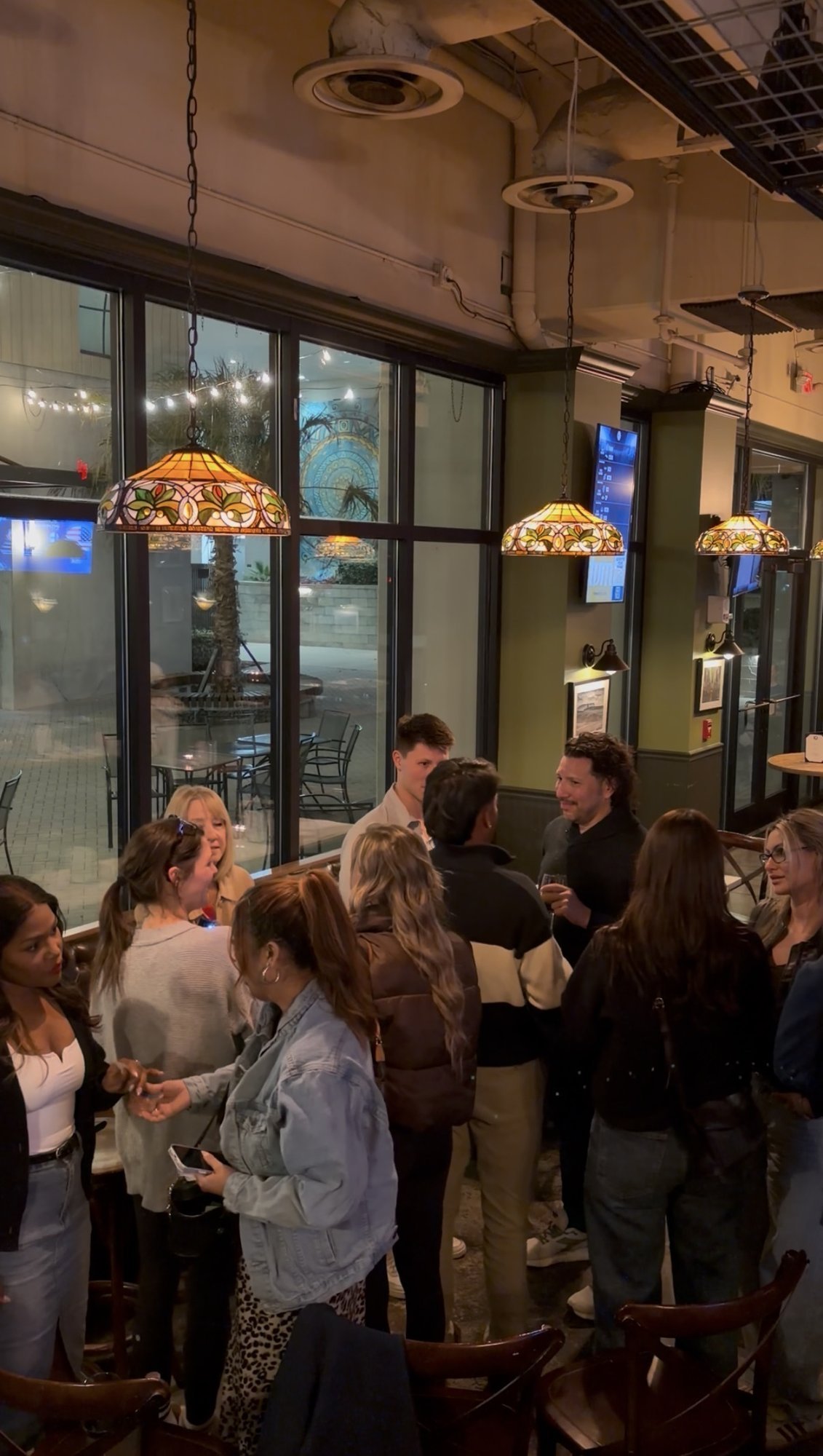
The night closed the way every Lecture Lounge night should: with a practical, actionable takeaway for tomorrow morning — and a room that stayed late.

Pitch a lecture like this

Lecture 04

The Psychology of Our True Crime Obsession.

Topic Criminology & Psychology
Format Talk + Live Q&A
Vibe Slightly disturbed. Mostly fascinated.

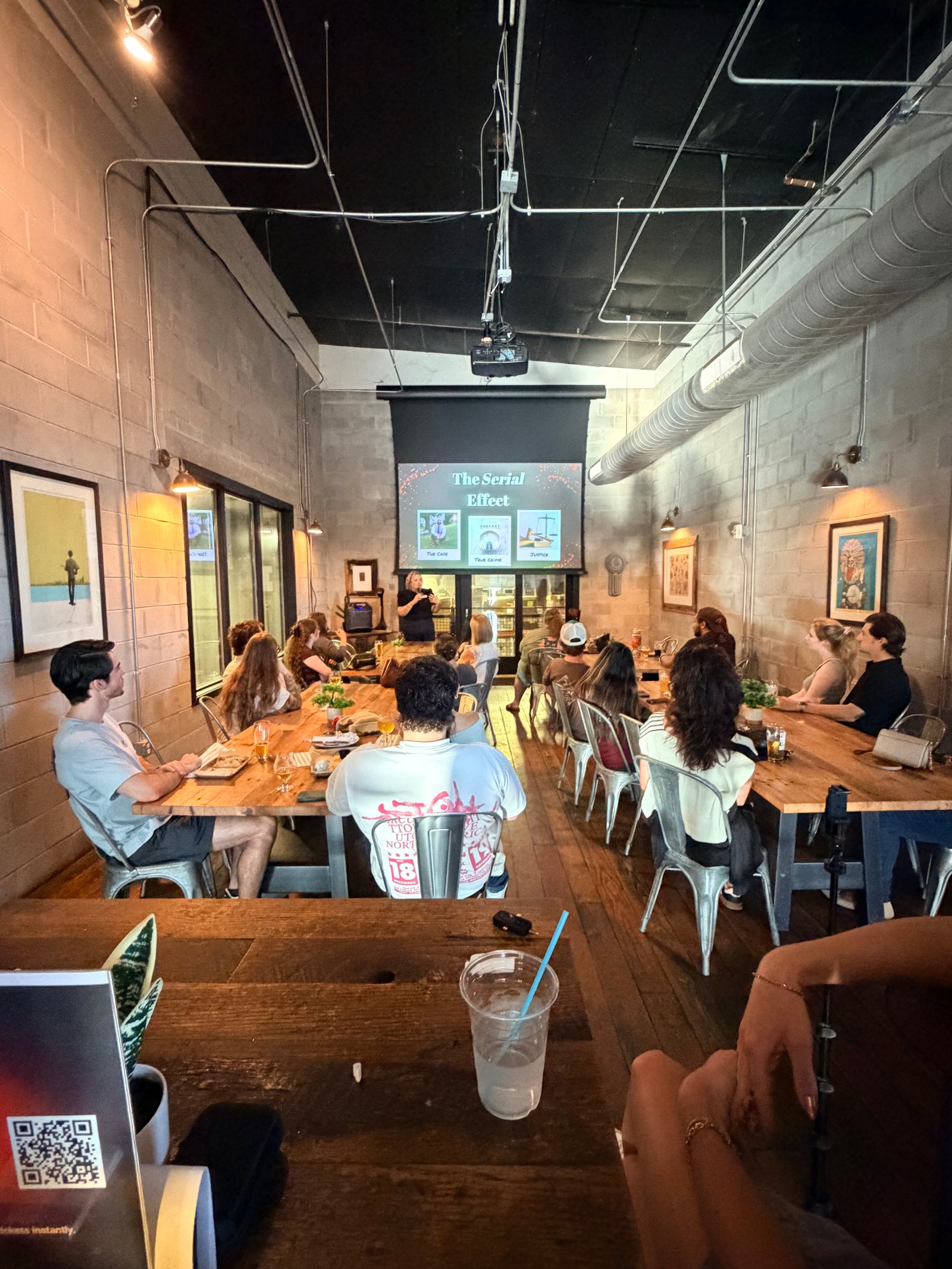
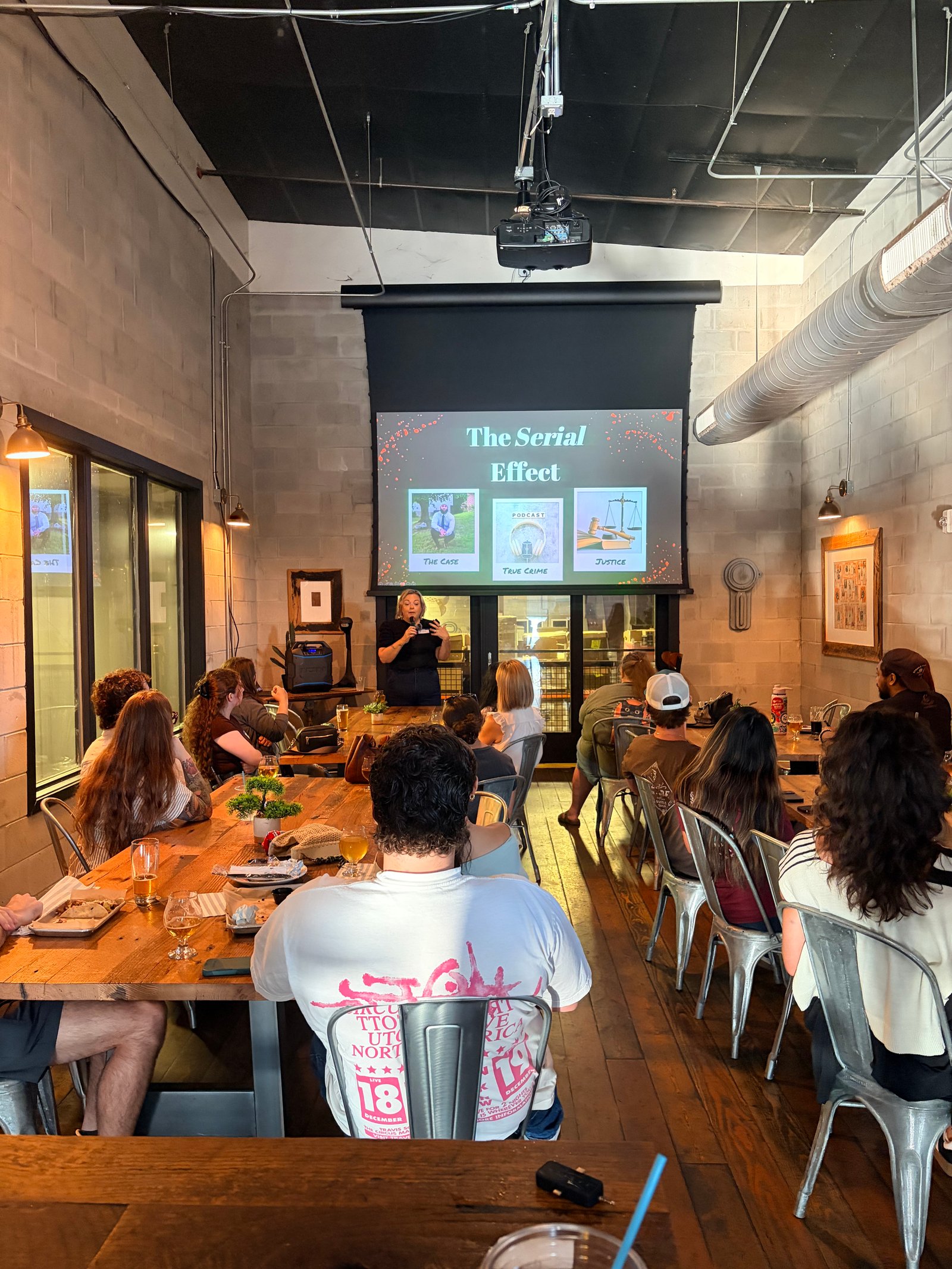
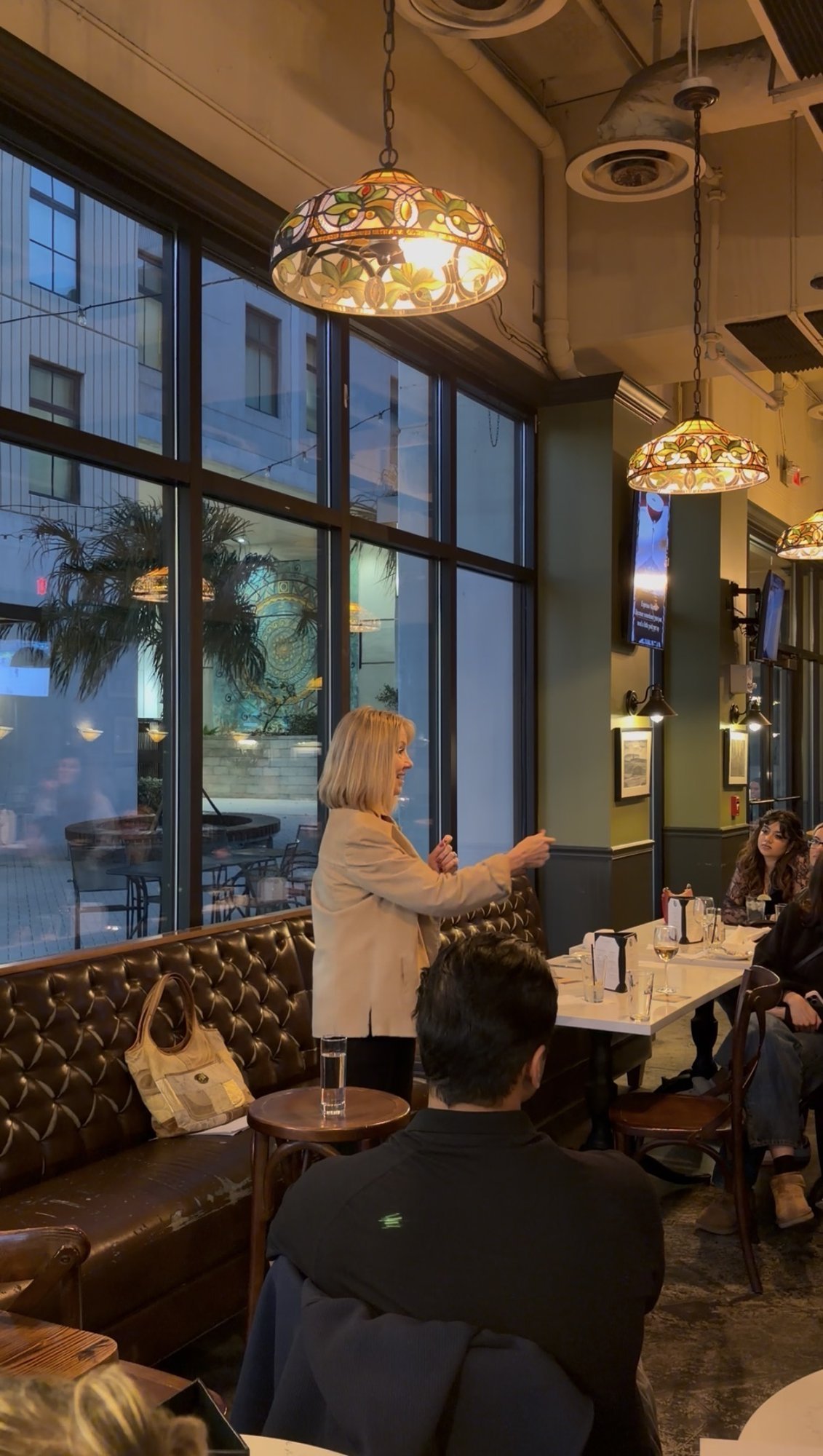
The Sunday night that asked everyone in the room a question they'd been quietly avoiding: why can't I stop watching? Dr. Cecil walked us through the psychology of true crime as a behavioral phenomenon, not just a media one — what the brain is doing when it pulls you toward the next murder documentary, why an entire genre is built on the worst day of a stranger's life, and why we treat it almost like a guilty pleasure.

The talk drew the line between fascination and voyeurism carefully, unpacked the social functions of the genre, and turned what could have been a moralizing lecture into the kind of conversation true crime fans rarely get to have out loud.

"True crime is really about crime fact that looks like crime fiction."

The Q&A picked up where the talk left off — which shows people couldn't quit, what to do about it, and whether the ethics of the genre actually matter or are just a comfortable thing to worry about. The kind of night that makes a Sunday feel like the right time for a deep dive.

Pitch a lecture like this

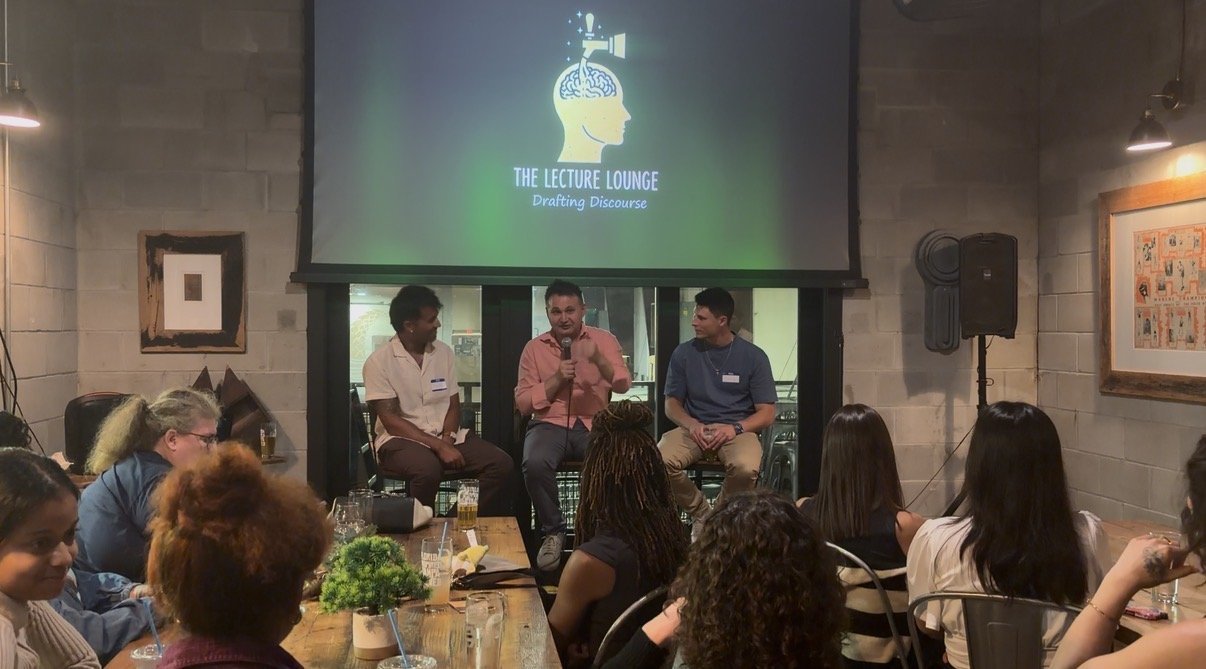
Dr. Razvan Teodorescu on stage at The Lecture Lounge with two co-panelists, the audience seated at a long brewery table in front of a branded projection screen
Lecture 03

Gravity & Reality. What Does Science Say About Alternate Timelines?

Topic Theoretical Physics
Format Talk + Live Q&A
Vibe Mind-bending

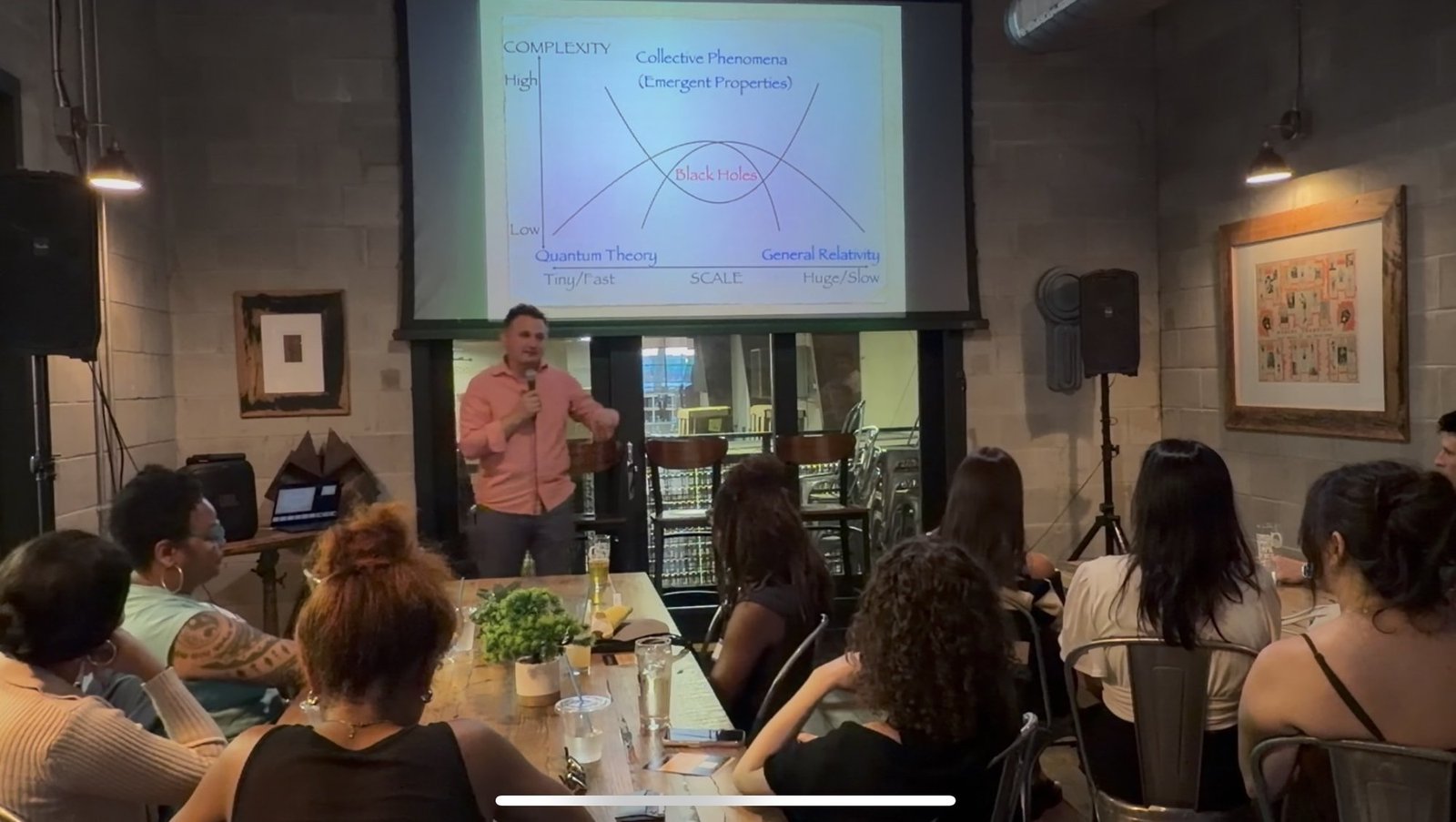
The most cinematic of our flagship lectures. Dr. Teodorescu took the room from the curve of a coffee mug into the math of black holes, answering one of the questions every late-night dorm conversation circles back to: do alternate timelines exist, and if they did, what would they actually look like?

The night used pop-culture icons — Interstellar, the Many-Worlds interpretation, the warped clocks of relativity — as the on-ramp. From there, the audience got the version of the physics that physicists actually argue about over coffee: not the Hollywood shortcut, not the textbook version, but the one with all the tension still in it.

"What's beautiful about gravity is that everyone has felt it their entire life — and almost no one has stopped to ask what it actually is."

By the time the Q&A opened up, the questions weren't shy. Time travel paradoxes, the heat death of the universe, what "reality" even means when the math gets weird. The kind of room where strangers leave talking like old friends because they spent ninety minutes thinking together.

Pitch a lecture like this

Lecture 02

Who Will Protect Us? Cybersecurity Threats Explained & Examined.

Topic Cybersecurity
Format Talk + Live Q&A
Vibe Wake-up call

We brought in a director-emeritus-level voice to walk a room of everyday Tampans through what's actually happening on the other side of the screen. Phishing. Nation-state attacks. Critical infrastructure risk. The kind of headlines that scroll past on a feed, slowed down and unpacked with someone who has spent a career in the field.

The conclusion landed harder than expected: in an age of AI-driven attacks and supply-chain compromise, the strongest firewall is still the human in front of the laptop. The talk reframed cybersecurity not as a technology problem but as a behavioral one — which means everyone in the room left with something they could actually do on Monday.

"Most people think cybersecurity happens in a server room. It happens in your inbox, on your phone, and in the next email you almost click."

The Q&A turned into a clinic — small business owners asking about ransomware, parents asking about their kids' phones, a graduate student asking about careers in the field. The hallmark of a Lecture Lounge night: a single expert, a wide-open room.

Pitch a lecture like this

Lecture 01

The Algorithm vs. The Individual.

Topic AI & Hiring Ethics
Format Talk + Live Q&A
Vibe Uncomfortable, in a good way

The lecture that started it all. Dr. Thomason walked the room through the now-uncomfortable reality of modern hiring: the résumés you submit are rarely read by a person first. Algorithms decide which ones get seen, and the assumptions baked into those algorithms are quietly shaping the workforce.

The talk paired the technical mechanics of automated screening with the ethical questions that follow them — bias, accountability, and the strange position of being an applicant who has to figure out how to write a cover letter for a machine. Then came the part the room came for: what to do about it.

"You're not writing a résumé for a hiring manager anymore. You're writing it for a model. The question is whether that's fair to anyone — including the hiring manager."

The proof of concept. The crowd that night told us this format wasn't just curiosity — it was a missing third place for adults who still wanted to learn.

Pitch a lecture like this